



5 Common Mistakes to Avoid During Roof Installation
Why Long-Term Performance Matters in Roof Installation
A professional roofing contractor will evaluate the entire system—shingles, underlayment, flashing, ventilation, and even gutter systems—to ensure everything works together seamlessly. This holistic approach helps prevent common failures and extends the life of your roof.
Thank you so much for sharing your experience and the photo of your new roof! We’re glad you chose Homestyle Home Improvements after your research and that we were able to meet your expectations from start to finish. Mr. Ray enjoys guiding homeowners through the roof replacement process and making financing simple, and it’s great to hear Mr. Thomas and the crew kept you updated and left everything spotless. Your moire black roof looks fantastic, and we truly appreciate your recommendation. Enjoy the peace of mind that comes with your new roofing system!
Common Roof Installation Mistakes Homeowners Should Avoid
- Hiring an Inexperienced or Unlicensed Roofing Contractor
- Skipping Proper Roof Ventilation
- Reusing Old or Damaged Roofing Materials
- Ignoring Manufacturer Installation Guidelines
- Failing to Plan for Weather and Timing
1. Hiring an Inexperienced or Unlicensed Roofing Contractor
One of the biggest mistakes homeowners make is hiring a roofing contractor based solely on price. Inexperienced or unlicensed crews may cut corners, use improper installation techniques, or fail to meet local building codes. This can lead to leaks, premature shingle failure, and even denied warranty claims.
Always work with a licensed, insured professional who specializes in residential roofing services and understands local weather conditions. A reputable contractor will also inspect related components like flashing, ventilation, and gutters to ensure your entire exterior system works together.
2. Skipping Proper Roof Ventilation
Improper roof ventilation can trap heat and moisture in your attic, leading to mold growth, higher energy bills, and shortened roof lifespan. Unfortunately, ventilation is often overlooked during roof installation, especially when replacing an existing roof.
A properly ventilated roof helps regulate temperature year-round and protects underlying materials. During installation, your contractor should evaluate intake and exhaust airflow and make adjustments as needed—especially if you’re also upgrading insulation or replacing siding.
3. Reusing Old or Damaged Roofing Materials
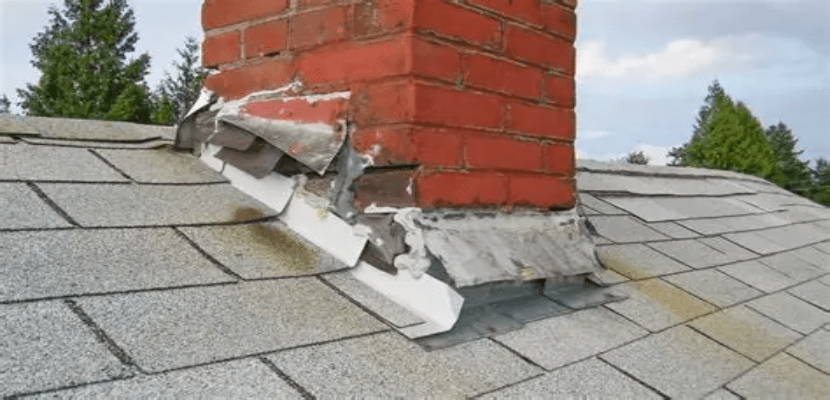
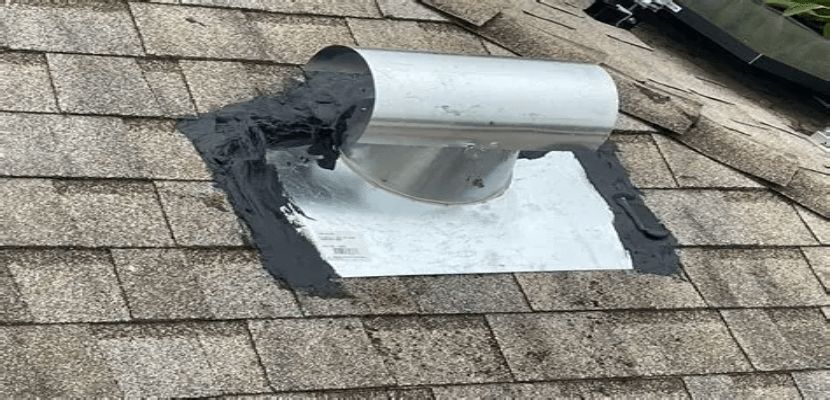
Reusing old flashing, underlayment, or damaged decking may seem like a way to reduce upfront costs, but it often leads to leaks and structural issues. Quality roof installation requires starting with a solid foundation, including fresh underlayment and properly sealed flashing around chimneys, vents, and valleys.
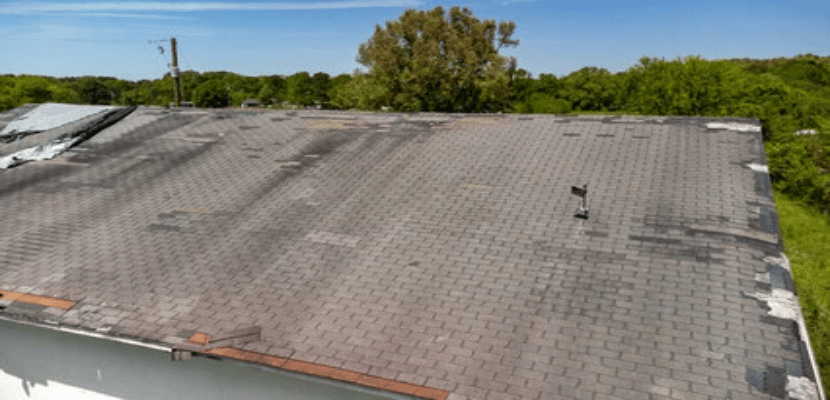
If your roof has experienced storm damage, hidden issues may already exist beneath the surface. Addressing these problems during installation helps prevent emergency repairs later.
4. Ignoring Manufacturer Installation Guidelines
Roofing manufacturers provide specific installation requirements to ensure performance and warranty coverage. When these guidelines aren’t followed—such as improper nail placement or incorrect shingle overlap—your roof may not be protected under warranty.
Working with a contractor experienced in installing high-quality asphalt shingles and other roofing systems ensures your roof meets manufacturer standards and performs as expected for decades.
5. Failing to Plan for Weather and Timing
Roof installation should be carefully scheduled to avoid extreme weather conditions. Installing a roof during heavy rain, snow, or extreme heat can compromise materials and workmanship. Additionally, failing to plan for debris removal, landscaping protection, and cleanup can lead to unnecessary damage to your property.
Professional roofing contractors plan installations strategically and communicate clearly with homeowners before, during, and after the project—especially when coordinating related services like gutter installation or exterior upgrades.